10 gigantic, deadly and terrifying sea monsters that were inspired by humongous real-life ocean animals
-
Hundreds of years ago, sailing the vast ocean must have been a terrifying feat. We still have much left to learn about our seas today, so it makes sense that ancient mariners let their imaginations go wild when thinking about the creatures that might be lurking in the waters below.
Many mythical sea monsters may have been based on real marine life sightings – here are a few of the animals behind the lore.
33-metre, 180-tonne monster tops ‘biggest animals in the ocean’ list – and makes the great white shark look tiny
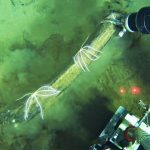
The ‘flying spaghetti monster’ is real. Scientists bumped into it on a deep-sea voyage to underwater mountains. Watch this jaw-dropping footage
10 terrifying sea monsters
The Kraken -
Scandinavian folktales tell of a terrifying beast called the Kraken which emerged from the depths, wrapped its arms around ships in a crushing embrace and dragged the vessel and its hapless crew down to Davy Jones’s locker.
Many believe this legend was inspired by a real-life counterpart: the giant squid (Architeuthis dux). This enormous cephalopod lives in the deep ocean and can grow to around 13 metres long. Despite being legendary for many years, these ocean giants are rarely seen. The first video of a live giant squid wasn’t captured until 2006.
- Moby Dick
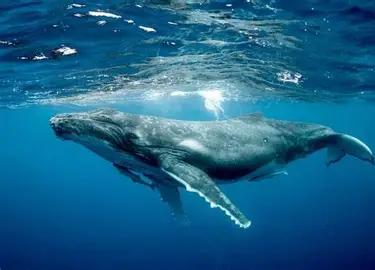
The tall tale of a sperm whale charging headlong into a boat and sinking it might sound fantastical, but the plot of Moby Dick was inspired by real life events. Author Herman Melville heard of a whaling ship called the Essex being rammed by a sperm whale and the story ended up in his novel.
Scientists recently captured this headbutting behaviour on camera for the first time when they filmed sperm whales charging into one another. Exactly why they have these face-first fights is not yet clear. -
Porphyrios was a huge whale that is said to have spent 50 years terrorising boats off the coast of Constantinople. There are some clues hinting at what species it might have been but this mystery has never been fully solved.
Some say that this terrible sea monster must have been a sperm whale because of its impressive size (around 13 metres long) while others suggest that its hunting behaviour (it eventually stranded itself trying to catch dolphins) means it must have been an orca, which can beach themselves on purpose while hunting.
This 60-ton giant fights monsters 4,000 feet below the surface – and scientists found the scars
“No other predator is able to challenge them” – this deadly, intelligent ocean killer works in a team to stun, submerge and launch at its prey
11 jaw-dropping killer whale moments captured in photos and film that reveal the brutal hunting techniques of the ocean’s top predator
This is all confused by the fact that Procopius, who told the story, was writing about historical events. He may have misinterpreted things or exaggerated elements of the tale for the sake of a good yarn. Was Porphyrios an orca, a sperm whale, or something else altogether? Maybe we’ll never really know.Hydra
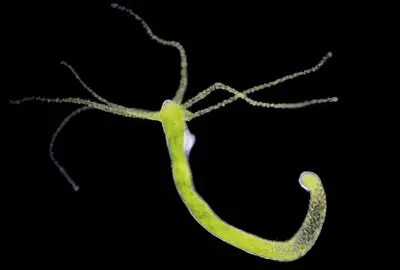
Greek mythology is renowned for its magnificent monsters and the Hydra is one of the most frightening. This sea snake had far too many heads to start with (some say three, others say nine) and if you lopped one off two grew back in its place. Clearly, this isn’t a real animal but there are real freshwater organisms called hydras that are related to jellyfish and corals. Unlike the mythical hydra, they are tiny. But they do have the ability to regenerate their whole body from small parts.
 MermaidsOne of the most famous maritime legends is that of the mermaid: magical beings with the tail of a fish and the body of a stunning woman.Given their tendency to lure sailors into treacherous situations with their beautiful looks, it seems odd that the legend of the mermaid may have been inspired by early sightings of dugongs. These gentle sea cows are gorgeous in their own way but look more like a floaty potato than a pin-up girl.But take one look at their enchanting tails and you’ll see how the myth emerged. When I saw a dugong’s tail fluke disappear slowly below the waves in Bazaruto, Mozambique, I was immediately convinced I’d spotted a mermaid.