Wildlife inside Chernobyl exclusion zone acted differently during Russia’s invasion, camera traps reveal
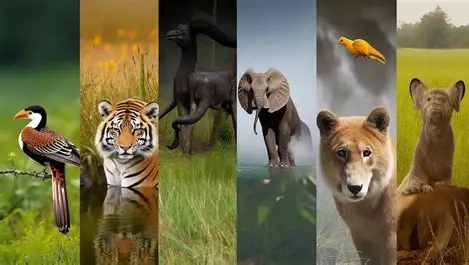
Camera traps from inside the Chernobyl exclusion zone reveal how the occupation of Russian forces at the site in February and March 2022 altered the behavior of wildlife living in the area.
After the invasion, which involved significant armed conflict inside the exclusion zone, mammals like deer and horses became less active and spent less time moving around at night, a new study reports.
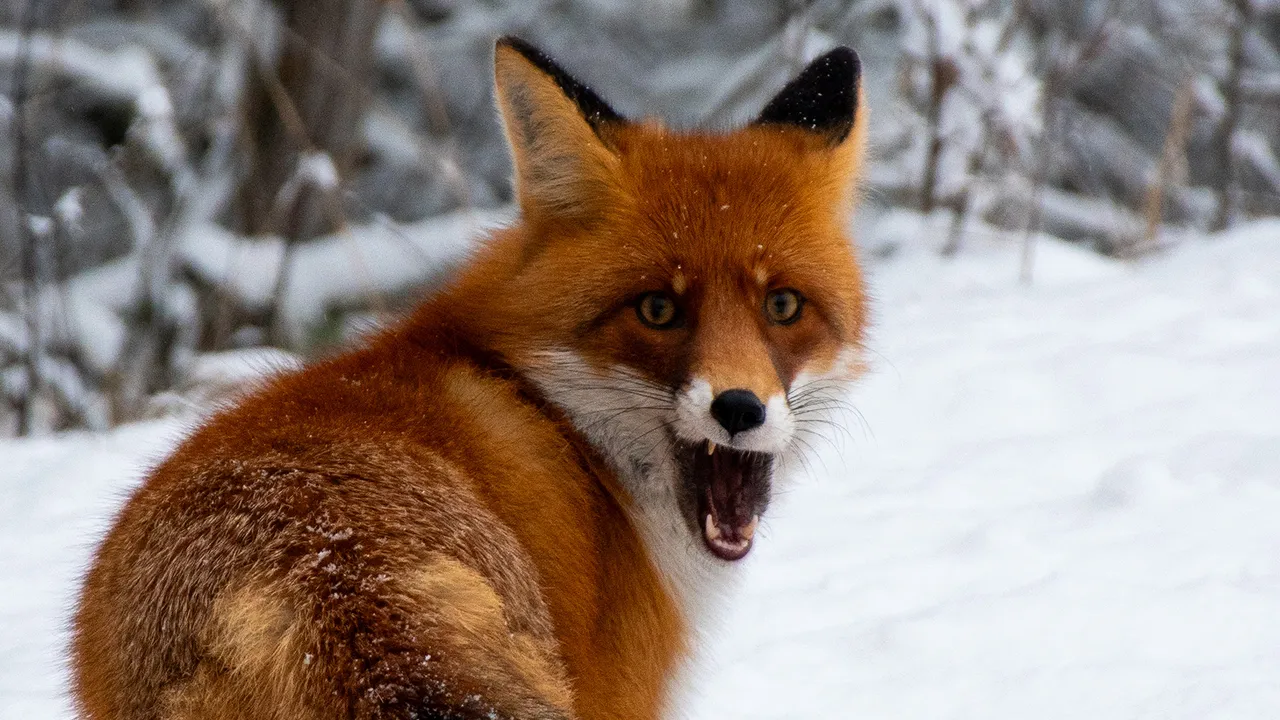
Researchers discovered the changes by comparing footage from camera traps collected during the early months of Russia’s 2022 invasion with recordings from the same period a year earlier, before the conflict began. The findings, published Thursday (June 18) in the journal Science, offer a rare glimpse of how animals respond to the immediate disruption caused by warfare.
“I wish the opportunity to analyze how the unfolding invasion affected wildlife ha[d] never happened,” Svitlana Kudrenko, who conducted the study as part of her PhD at the Albert Ludwig University of Freiburg in Germany, told Live Science in an email. “Unlike in preindustrial times, current interstate conflicts are highly detrimental for wildlife because of a long list of warfare, often operated remotely.”
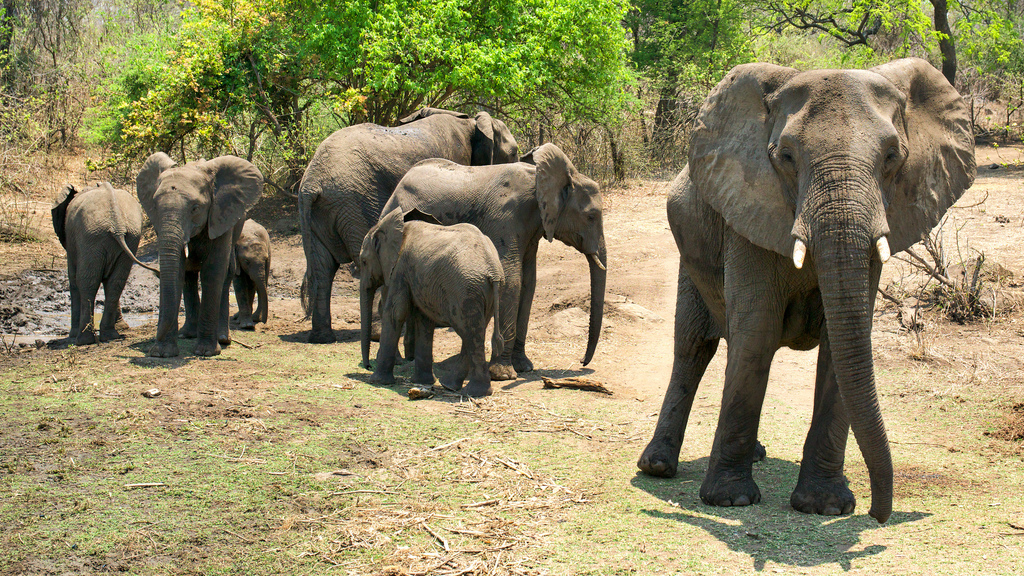
The study took place in the Chernobyl exclusion zone, a roughly 1,000-square-mile (2,600 square kilometers) area surrounding the site of the 1986 Chernobyl nuclear disaster. Following the reactor explosion, authorities evacuated the region and restricted most human activity. Over the decades, with little to no human activity, wildlife populations have flourished, turning the zone into a natural laboratory for scientists studying ecosystem recovery and animal behavior.